Advantages
Made from R2/SG2 powder steel, Takamura knives hold a razor-sharp edge far longer than most other kitchen knives on the market, meaning less time sharpening and more time cooking. The blades are ground exceptionally thin, making them some of the best cutters available at any price point.
Exceptional edge retention
The R2/SG2 powder steel core holds a sharper edge for longer than most conventional kitchen knives, so you spend less time at the whetstone and more time at the cutting board.
Laser-thin blade geometry
Takamura grinds their blades thinner than almost any other maker at the price point, which means food releases cleanly and cutting through vegetables, fish, or meat takes noticeably less effort.
Made by hand in limited numbers
Every knife comes out of a small family workshop in Echizen, Japan, where the same hands that forge the blade also do the final sharpening and finishing — something you simply don’t get from factory-produced knives.
Choose your knives
Whether you’re after the workhorse R2 Migaki gyuto, the hammered-finish Tsuchime series, or the stunning Hana Damascus, there’s a Takamura knife built for every cooking style and skill level. Pick the steel, size, and handle that fits how you cook — and you’ll likely never need another knife again.
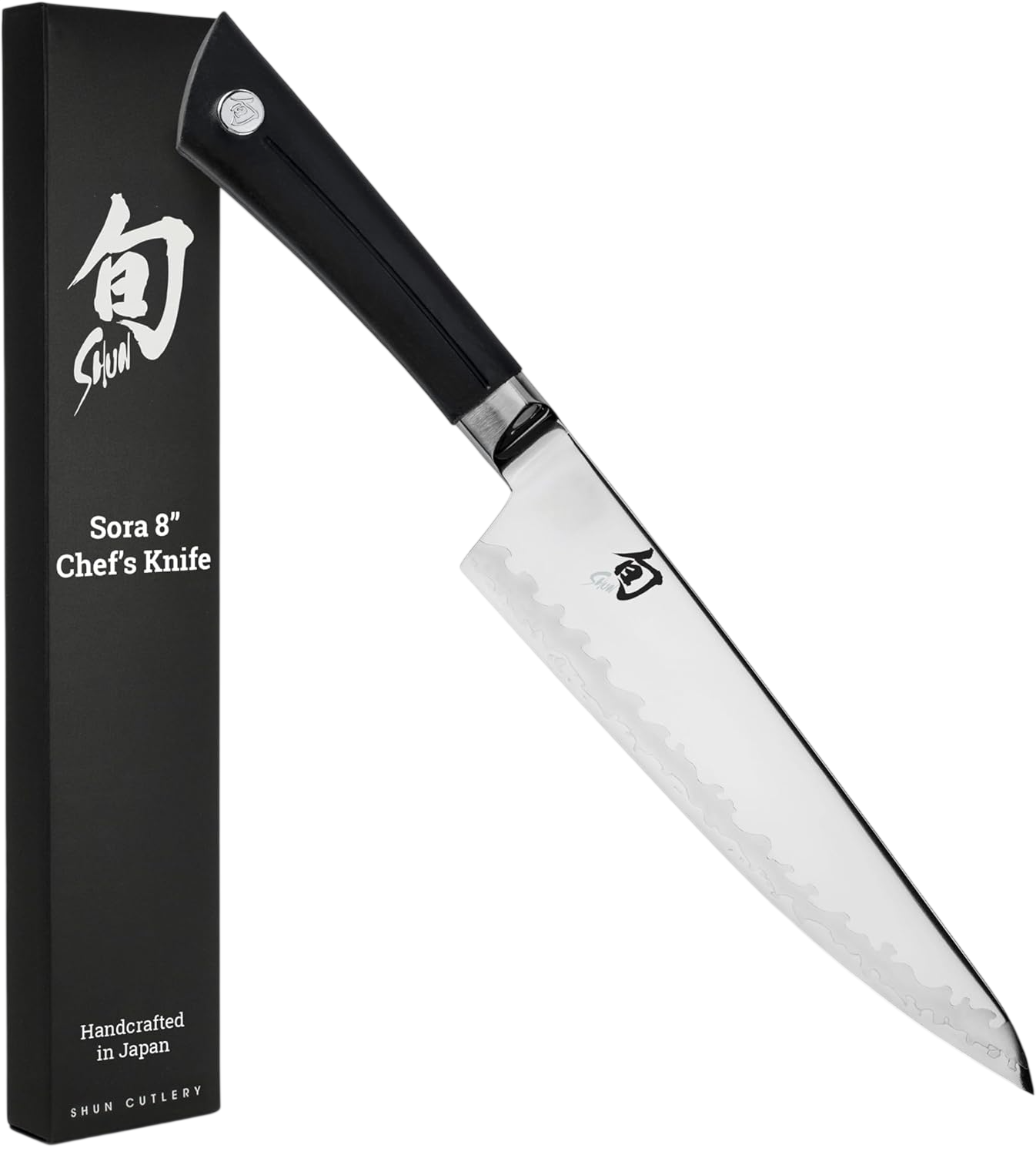
Sora 8″ Chef’s Knife
A VG-10 steel Japanese chef’s knife with a hammered tsuchime finish that reduces food sticking, giving you a capable and good-looking all-around kitchen knife at a price that won’t make you wince.

Japanese Kitchen Knife Set of 5
A complete five-piece set of hand-forged Japanese kitchen knives by master bladesmith Takaaki Nakamura, presented in a wooden box that makes it just as fitting as a serious gift as it is a working set for the kitchen.
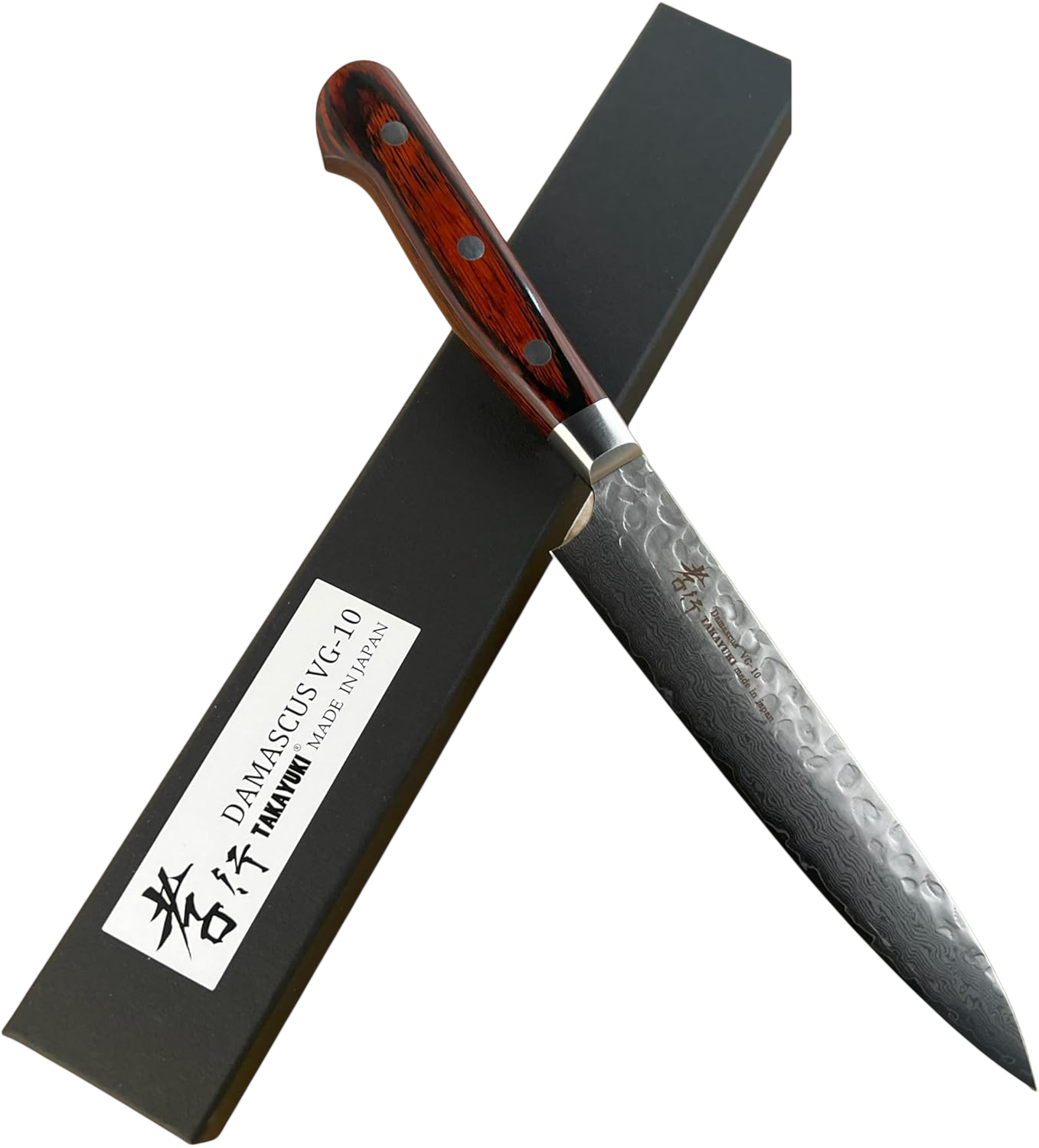
15 cm. Petty Knife VG10 Hammered Damascus
A compact and agile petty knife forged from VG10 steel with a hammered Damascus finish, ideal for peeling, trimming, and any detailed prep work that calls for a shorter, more controlled blade.
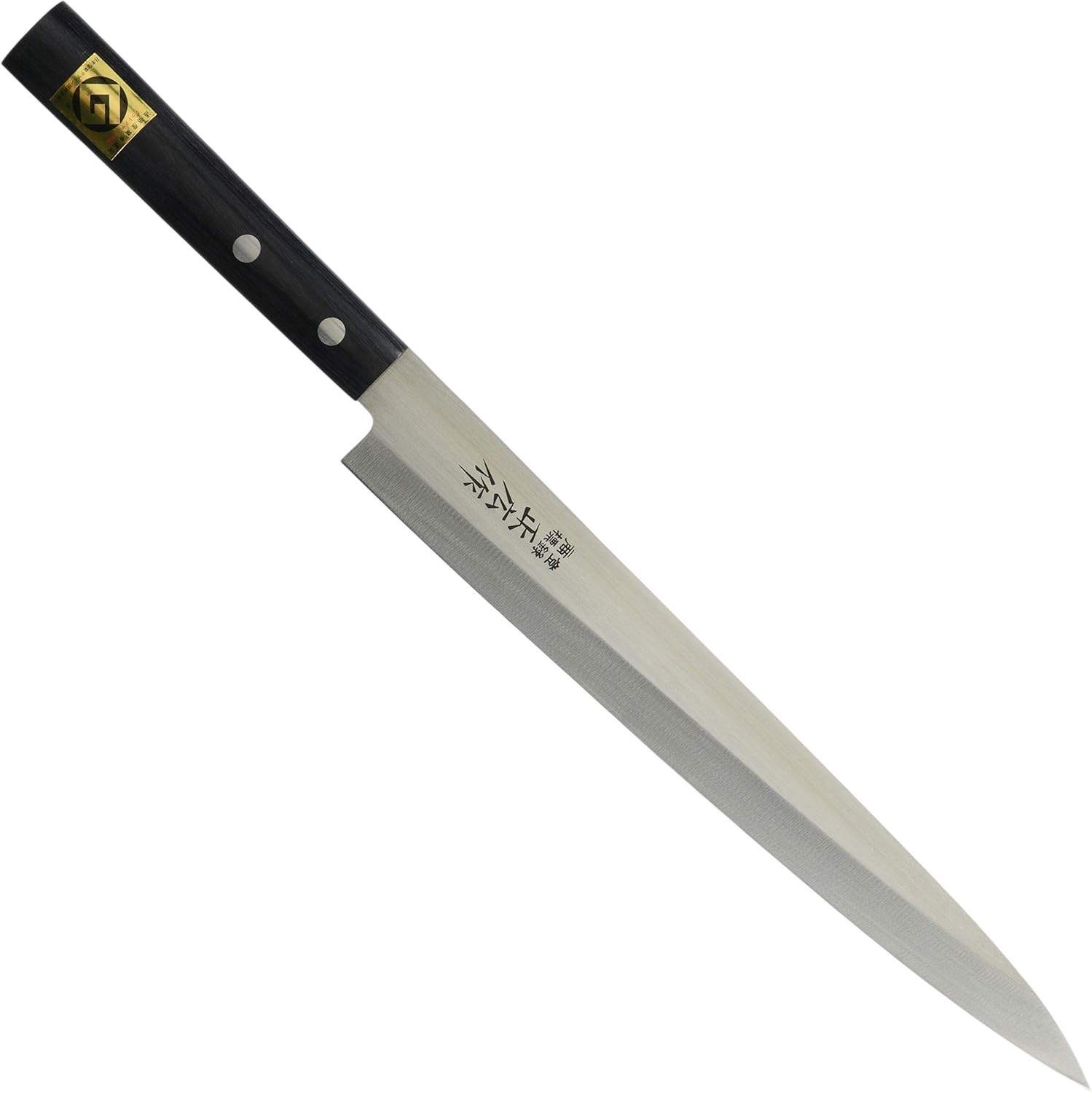
Stainless Steel Japanese Knife, 9.4 inches (24 cm)
A traditional single-bevel willow-shaped yanagiba knife ground from stainless steel, designed specifically for pulling clean, single-stroke cuts through fish and sashimi without tearing the flesh.
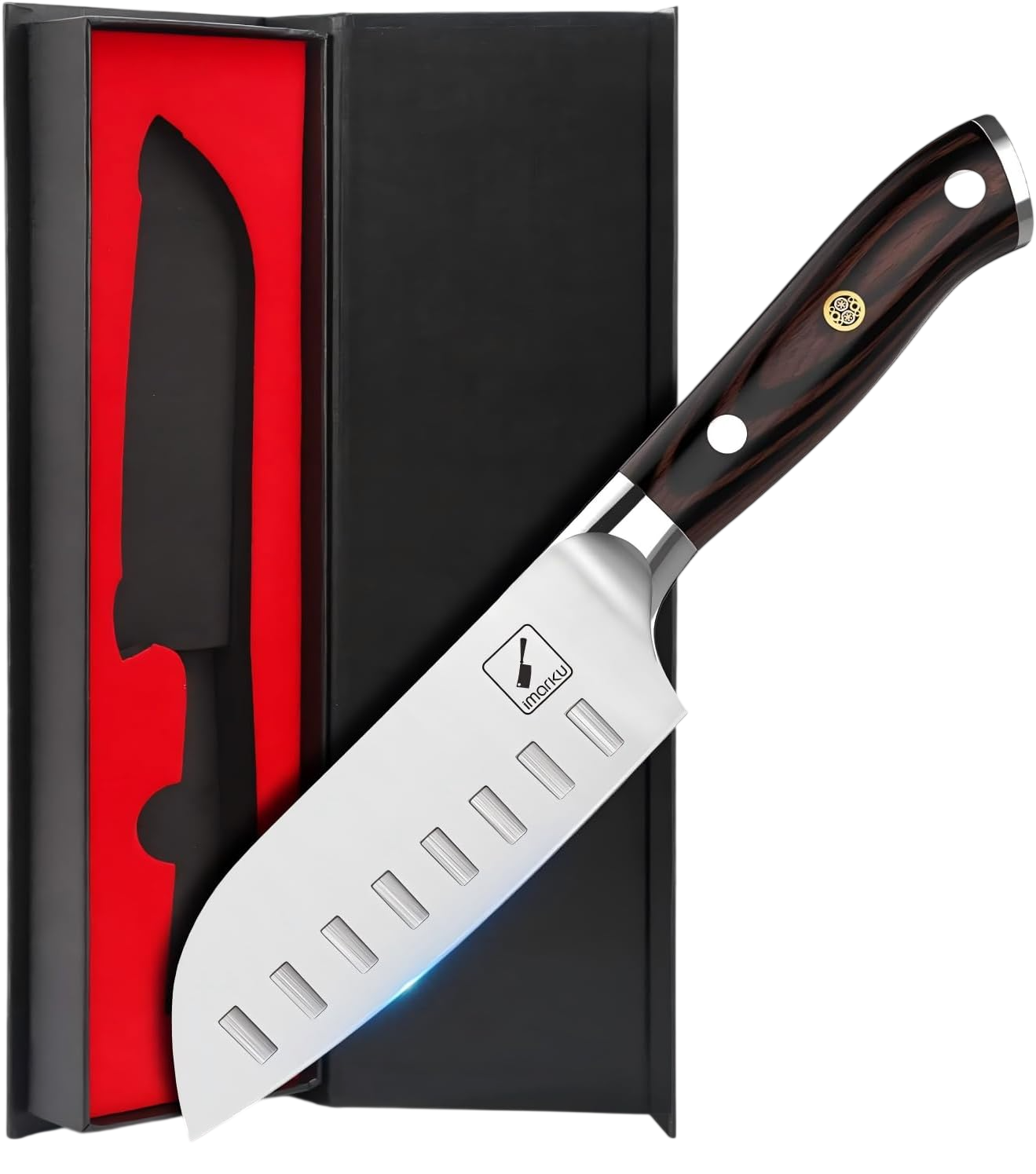
Santoku Knife Chef Knife 5 inch Ultra Sharp
A compact 5-inch santoku built from high-carbon stainless steel with a comfortable pakkawood handle, making it a practical and easy-to-control everyday knife for home cooks who want Japanese-style cutting performance without the bulk of a full-size blade.
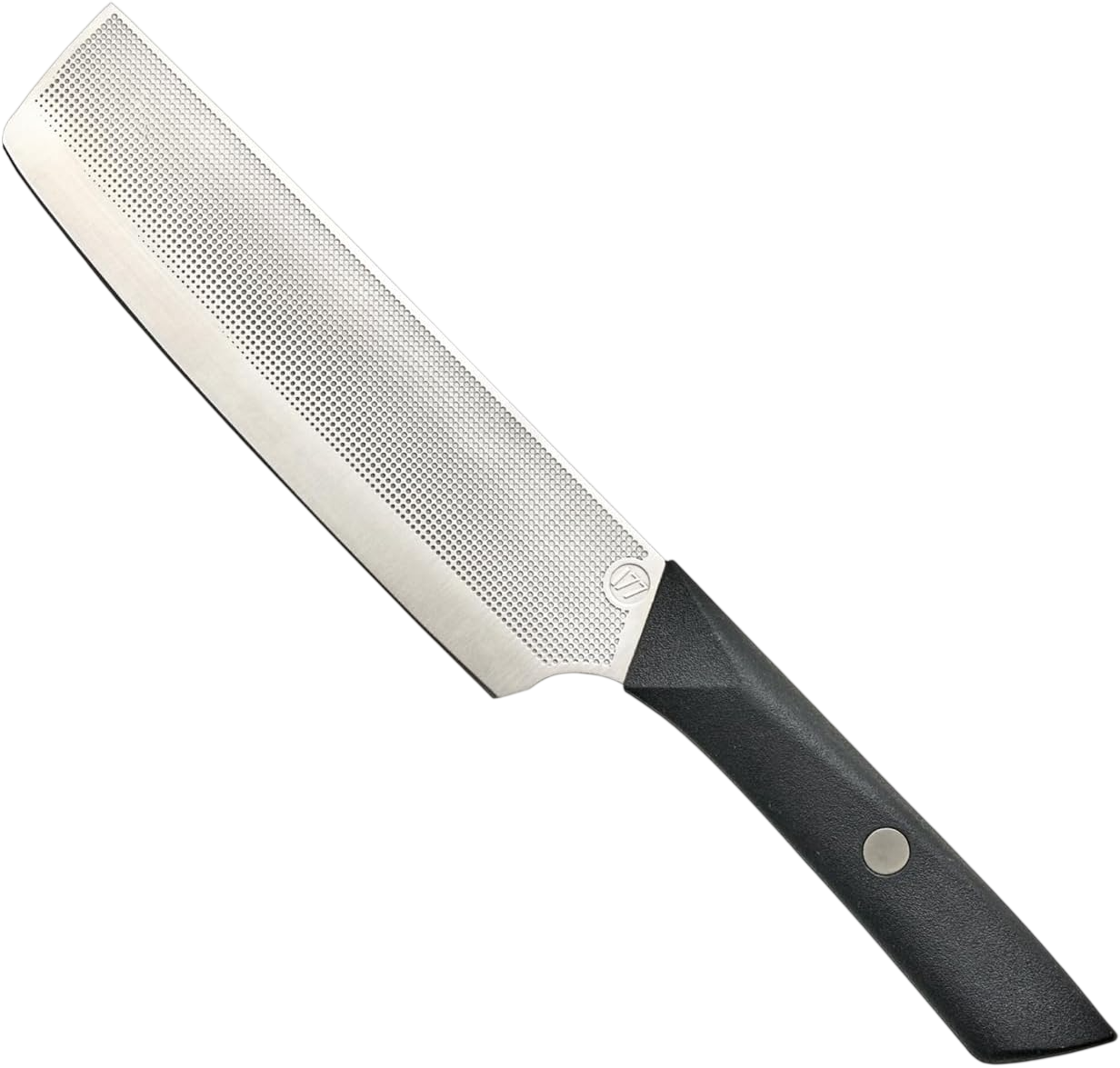
Milk Street 6.75-inch Nakiri Knife
A flat-edged vegetable knife made from 1.4116 German steel, sized at 6.75 inches to give home cooks a nimble and capable blade that handles everything from cabbage to cucumbers with clean, straight-down cuts.
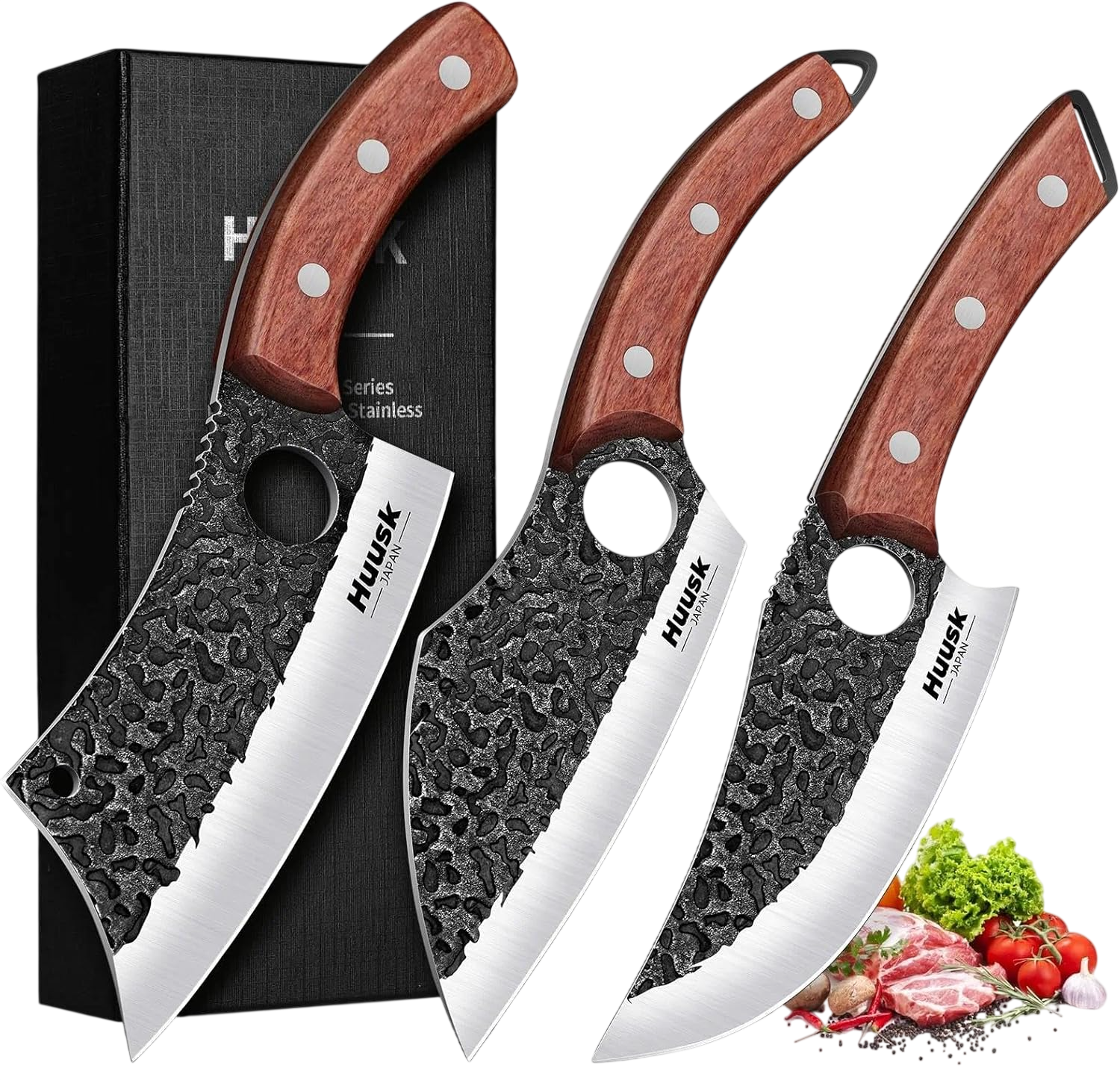
Butcher Knife Set of 3- Japanese Knife
A three-piece hand-forged butcher set built for serious work at the cutting board, covering everything from breaking down large cuts of meat and chopping through bone to heavy vegetable prep — and packaged well enough to make a straightforward gift for anyone who spends real time in the kitchen.
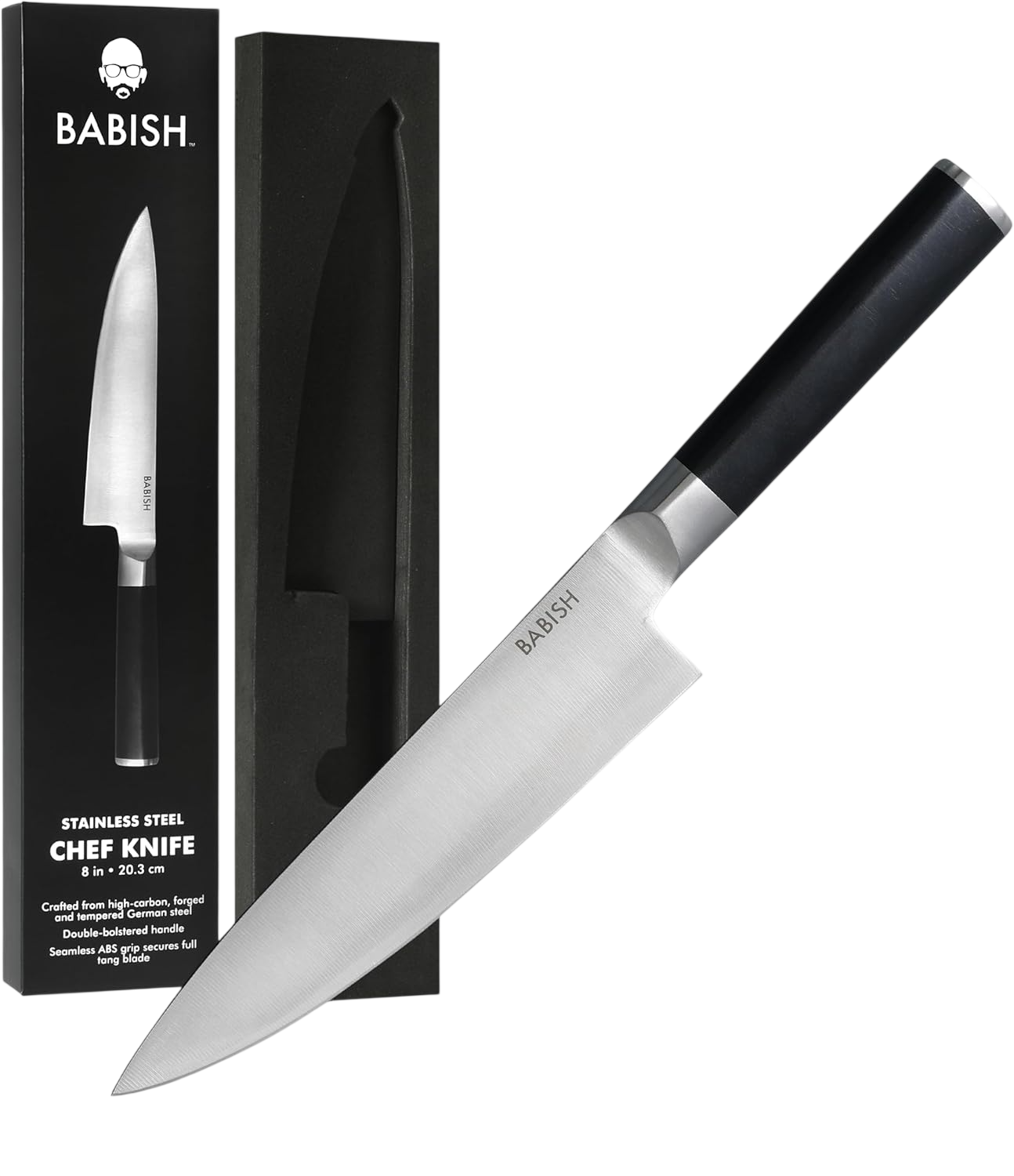
8-Inch Chef Knife – High-Carbon German
A full-size 8-inch chef’s knife forged from high-carbon German 1.4116 steel, giving you a tough, corrosion-resistant blade that handles daily slicing, chopping, and dicing without needing constant maintenance or babying.

Premier 8″ Chef’s Knife, Handcrafted Japanese Kitchen Knife
A handcrafted 8-inch chef’s knife built around a VG-MAX steel core wrapped in Damascus cladding, pairing serious cutting performance with a pakkawood handle that looks as good on the counter as it feels during a long prep session.
Features
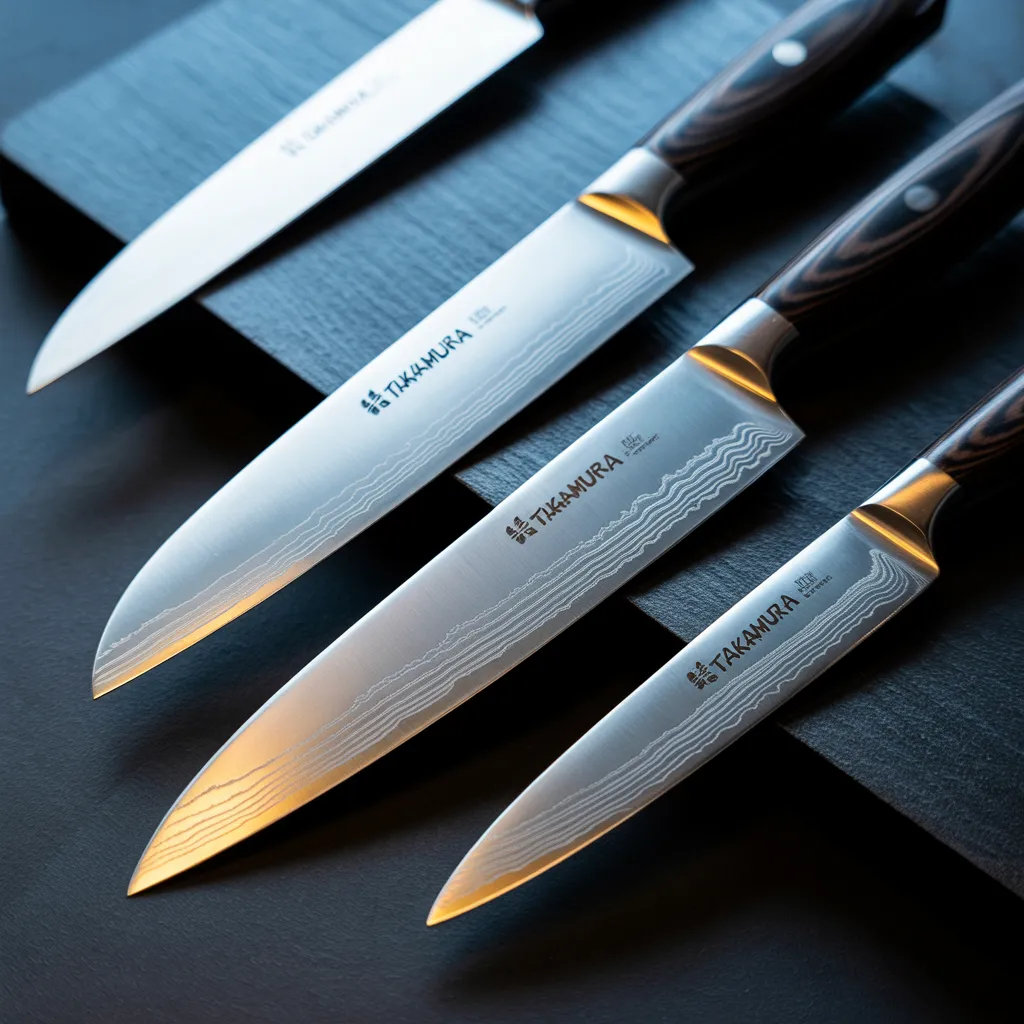
Takamura knives are built around an R2/SG2 powder steel core, ground to a thin, precise edge with a 12–15 degree blade angle that makes them noticeably sharper than most knives you’ll find in this category. The handles — whether the classic red pakkawood or the traditional octagonal wa-style — are fitted with the same care as the blade itself, giving you a tool that feels as good in the hand as it performs on the board
R2/SG2 Powder Steel Core
The blade is made from one of the finest steels available in kitchen knives today, with an extremely fine grain structure that allows for a sharper, longer-lasting edge compared to standard stainless or carbon steels.

Thin Grind & Precise Blade Angle
Each knife is ground to a 12–15 degree edge angle, producing a blade thin enough to slice through delicate ingredients cleanly without crushing or tearing — something thicker Western-style knives simply can’t match.
Hand-Finished in the Takamura Workshop
From the forging to the final polish, every knife is completed by hand inside the family’s small forge in Echizen, Japan, ensuring a level of consistency and attention to detail that mass-produced knives rarely achieve.

Review
Takamura knives have built a loyal following among both professional chefs and serious home cooks, with many pointing to the out-of-the-box sharpness and long-term edge retention as the main reasons they keep coming back. In independent consumer testing in Sweden, Takamura came out on top against every major European knife brand — a result that speaks for itself.

About brand
Takamura Hamono is a family-run forge located in Takefu Village, part of the Echizen region in Fukui Prefecture, Japan — an area with over 700 years of blade-making history. The business was built by Toshiyuki Takamura and has since been passed down to his son, third-generation bladesmith Terukazu Takamura, who has been forging knives since 1985.
What sets Takamura apart from larger knife manufacturers is the way every single knife is made — by hand, from start to finish, inside the same small workshop. Terukazu and his family handle every stage of production themselves, from forging the raw steel to the final sharpening and polishing of each blade. Because of this, production numbers stay low and delivery times can be long, but that’s exactly the point — these are not factory knives.
The blades are built around R2/SG2 powder steel, one of the most respected materials in Japanese knife-making, capable of taking and holding an edge that most other steels simply can’t match. This, combined with the thin grind and careful hand-finishing, is why Takamura knives have ended up in the kitchens of chefs like René Redzepi of Noma, Gordon Ramsay, David Chang, and Martha Stewart.
For anyone serious about cooking, a Takamura knife is one of the few purchases in the kitchen that genuinely changes how you work at the cutting board.
Subscribe to get a newsletter
What peoples say about us
Chefs and home cooks who own a Takamura knife tend to say the same thing — the sharpness straight out of the box is unlike anything they’ve used before, and the edge sticks around far longer than expected. Many describe it as the last knife they ever needed to buy.

Daniel L.
Customer
I’ve worked in professional kitchens for over a decade and gone through more knives than I can count, but the Takamura R2 Gyuto is the first one that made me stop looking for something better. The edge it holds through a full week of dinner service is something I genuinely hadn’t seen before at any price point. If you cook for a living or just take it seriously, this is the knife you’ve been looking for.

Sarah M.
Customer
I put off buying a Takamura R2 Migaki for months because of the price, but the moment I used it for the first time I realized it wasn’t even close to what I’d been settling for before. Eight months in, I’ve barely touched up the edge and it still slices through anything — tomatoes, fish, fresh herbs — with almost no effort at all. It’s the one thing in my kitchen I’d buy again without hesitating for a second.

Marcus R.
Customer
I bought the Takamura Tsuchime Santoku as a gift to myself after years of cooking with mediocre knives, and the difference was immediately obvious from the very first cut. The blade is so thin and sharp that prep work I used to find tedious — breaking down vegetables, slicing proteins, mincing herbs — now takes half the time and feels almost effortless. Three years later it’s still the first knife I reach for every single time I step into the kitchen.
FAQ
Every Takamura knife is hand-forged in Takefu Village, Echizen, Fukui Prefecture, Japan — one of the most respected knife-making regions in the country, with a blade-making tradition stretching back over 700 years.
Most Takamura knives are built around an R2/SG2 powder steel core, which is one of the hardest and finest-grained steels used in kitchen knives today. Some models use VG-10 or Chromax steel, offering a slightly more accessible entry point while still delivering excellent performance.
They can be, but they reward careful use. The blades are ground very thin, which makes them exceptional cutters but also means they’re not the right tool for hacking through bones or frozen food. Someone willing to learn basic knife care will get tremendous value from them at any skill level.
Takamura does not sell directly to the public through a consumer website. Knives are available through a small number of authorized retailers worldwide, including MTC Kitchen and Knifewear in North America, and Chef’s Armoury in Australia. Availability can be limited due to the low production volume.
A Japanese water stone is the recommended method, ideally starting around 1000 grit and finishing on a 3000–6000 grit stone. Avoid pull-through sharpeners, as these remove too much material and can damage the thin blade geometry.
Significantly longer than most kitchen knives. The R2/SG2 steel holds an edge through weeks of regular use before needing attention, which is one of the main reasons professional chefs favor them in high-volume kitchens.
No. Like all high-quality Japanese knives, Takamura knives should be washed by hand and dried immediately after use. Dishwashers can damage both the blade and the handle over time.
Because every knife is made by hand inside a small family workshop, production is strictly limited. Demand consistently outpaces supply, which means certain models can have long wait times or sell out quickly when restocked.